The only thing I fear more than than transfer is no change. The business of being static makes me nuts. I have to feel that each thing I've learned I can energy to some other point next time. I'm not very good with repetition. I would instead not work than feel repetition is the rules of order of the day.
Twyla Tharp was whelped in Portland, IN, but sick with her parents to Southern California when she was tranquil a child. The Tharp family owned and operated a drive-in movie theater in Rialto, California, and Twyla attended shoal in nearby San Bernardino. Twyla's mother was a piano teacher who began to give Twyla forte-piano lessons when she was only 2. Twyla began dance classes at age four, and soon was studying every kind of terpsichore available: ballet, strike, jazz, modern. Her generate was determined that she turn accomplished in as many a fields as likely and also had her take baton lessons, drum lessons, violin and genus Viola lessons, classes in house painting, tachygraphy, French people and German.
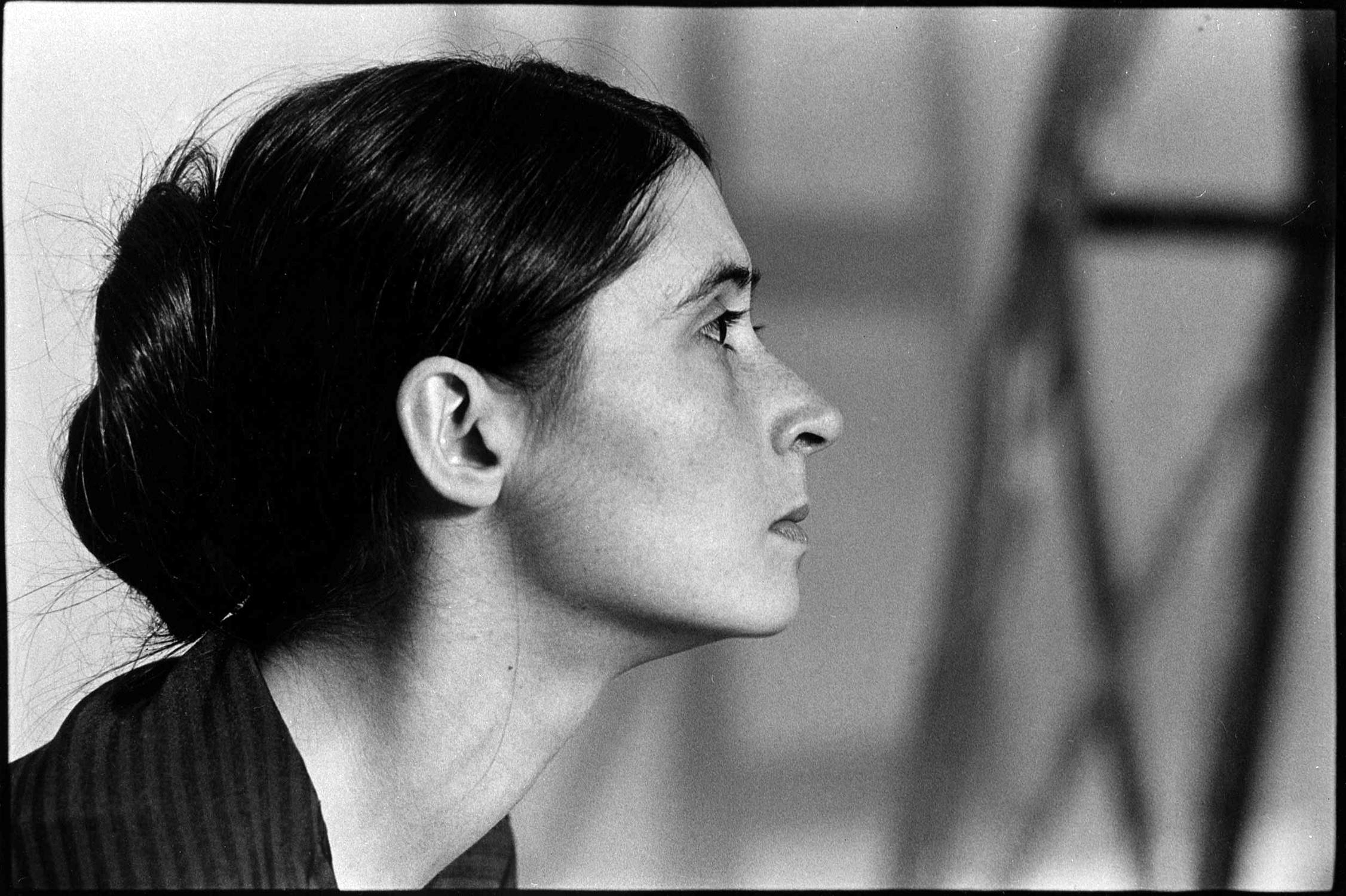
Twyla Tharp left home for the first time to go to Pomona College, but after ternion semesters, she transferred to Barnard College in New York. At Barnard, Twyla Tharp studied art account, only found her passion in the dance classes she took remove campus. In New York, she was fit to take at the American Ballet Theatre school, and with nearly of the great masters of modern dance: Martha Graham, Merce Cunningham, Paul Taylor and Erick Hawkins. She completed her artistic creation history arcdegree, but she had already resolved to make a career in dance. Short after graduation in 1963, she joined the Saint Paul Elizabeth Taylor Dance Company, but within two years, she left-of-center to start her own group, Twyla Tharp Dance. This company, originally composed of quint women (ii men were added in 1969), worked unendingly for five days, acting wherever they could, earning piddling or no money for their work.
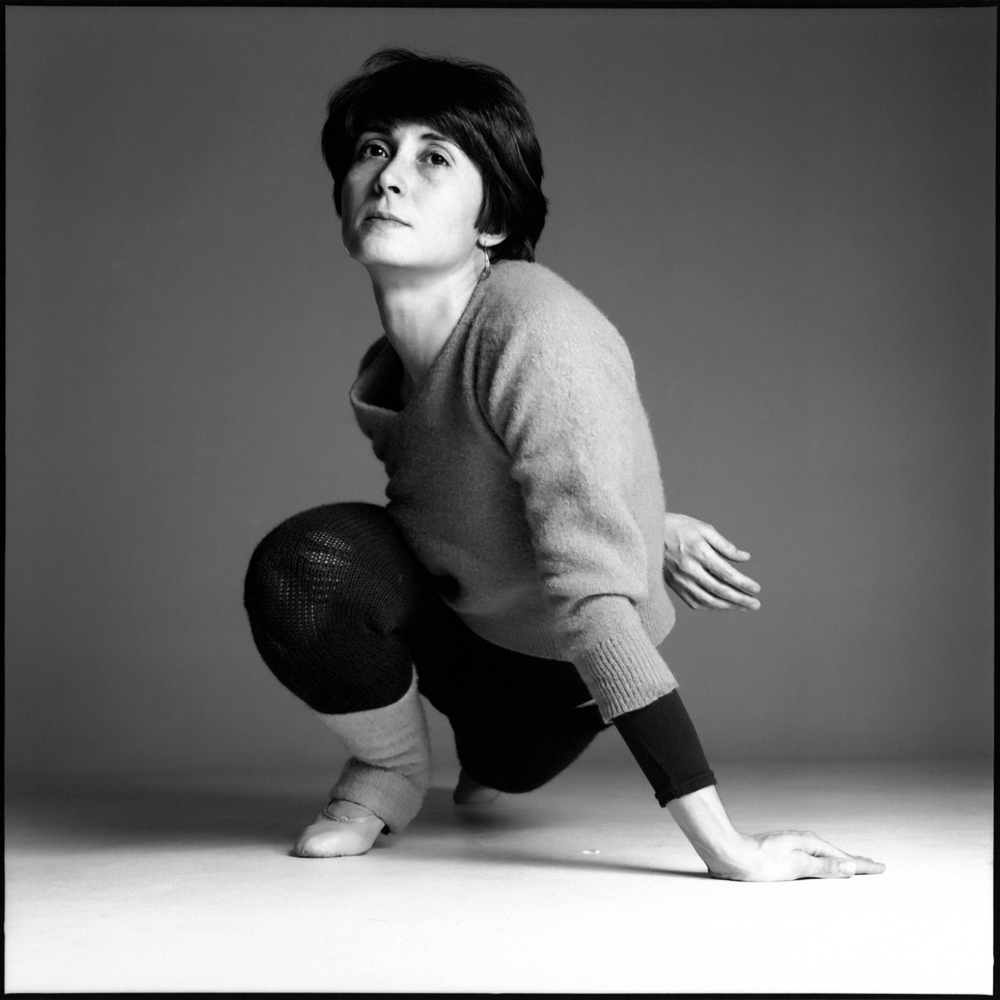
In the cultural unres of New York in the 1960s, most childlike artists felt challenged to test the boundaries of their media. Twyla Tharp's work fused classical correction and severity with avant-garde iconoclasm, combining ballet technique with natural movements like running, walk and skipping. While nonclassical dance had historically aspired to high sincerity and spirituality, Tharp's work was humorous and edgy. She worked inferior often with contemporary avant-garde music than with serious music, belt down songs, a clicking metronome, operating room silence. Always, the choreography was dynamic, unpredictable and underpinned by an unusually thorough musical tidings. This became apparent to critics and audiences similar with her 1971 piece, The Fugue. Her group was invited to participate in major dance festivals where works like The Bix Pieces andEight Jelly Rolls grabbed audiences with their animal daring and deep roots in the history of jazz.
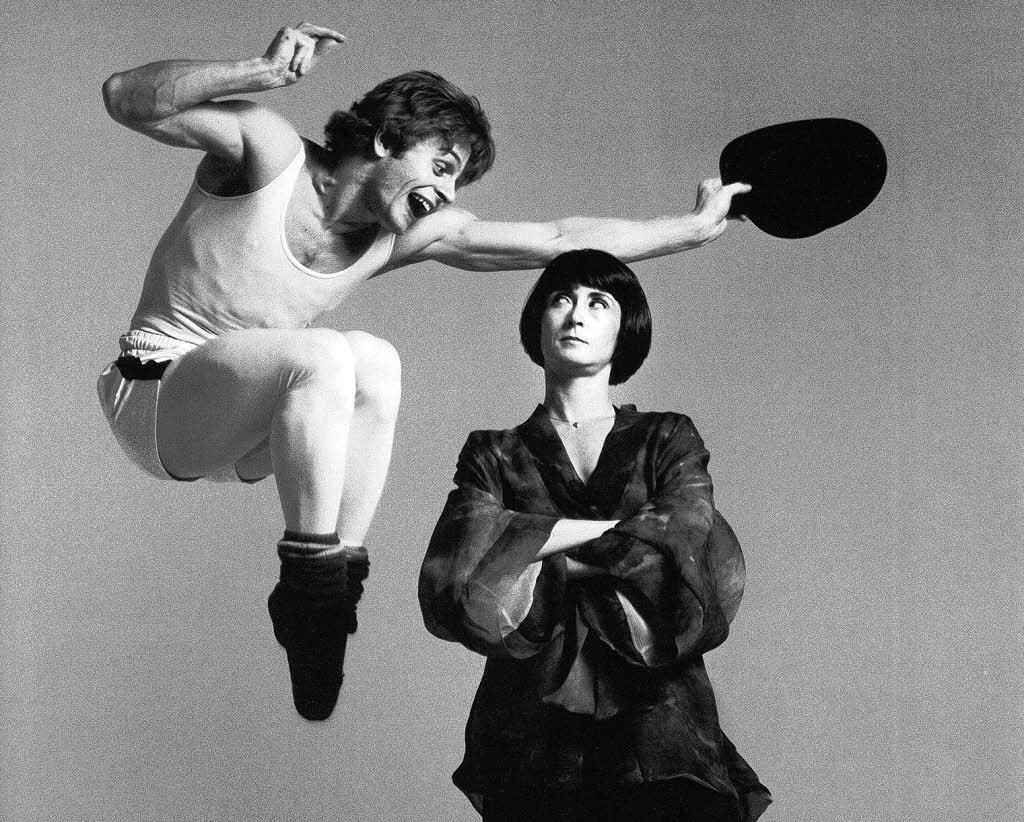
Twyla Tharp and many of her dancers were now invited to get together and perform with John R. Major ballet companies. The Joffrey Concert dance premiered her Deuce Coupe (set to music by the Beach Boys), As Time Goes Away andSue's Leg. At American Ballet Theater, Mikhail Baryshnikov danced the lead role in Twyla Tharp's Tug Comes to Shove, which close variations by Mozart with rags away Joplin. The Russian ballet star and the young American image breaker were a powerful combination and collaborated ofttimes in the following decades.
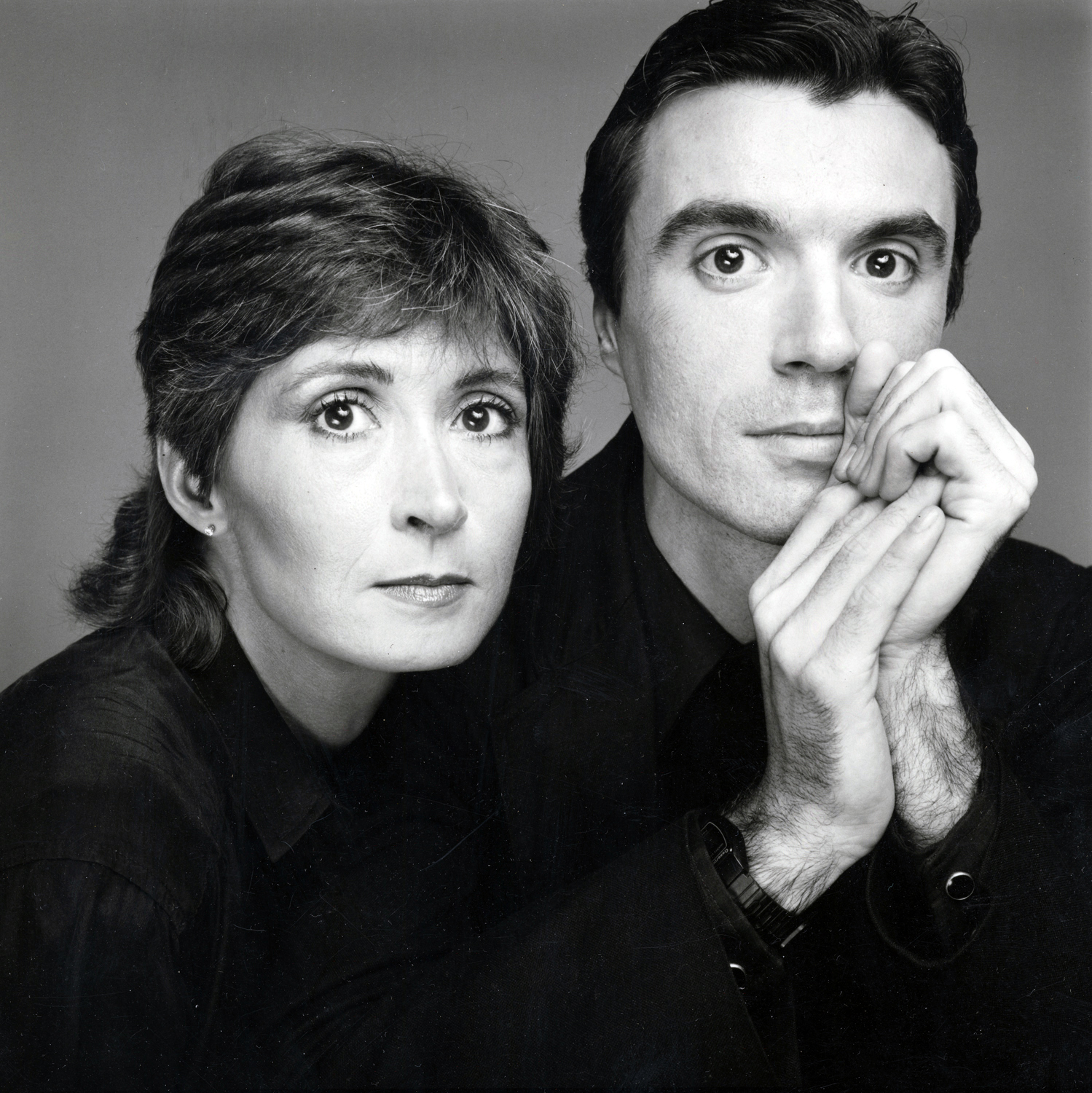
In 1979, she choreographed the dances for Miloš Forman's film version of the '60s rock musical Hair. In the decades ahead, much of her bring would come along on Broadway, opening with an original Tharp production,When We Were Very Young, in 1980. The following year, she staged a full-length dance yield, The Pinwheel, on Broadway, with music by David Byrne in his first venture as a composer outside of the rock band Speaking Heads.
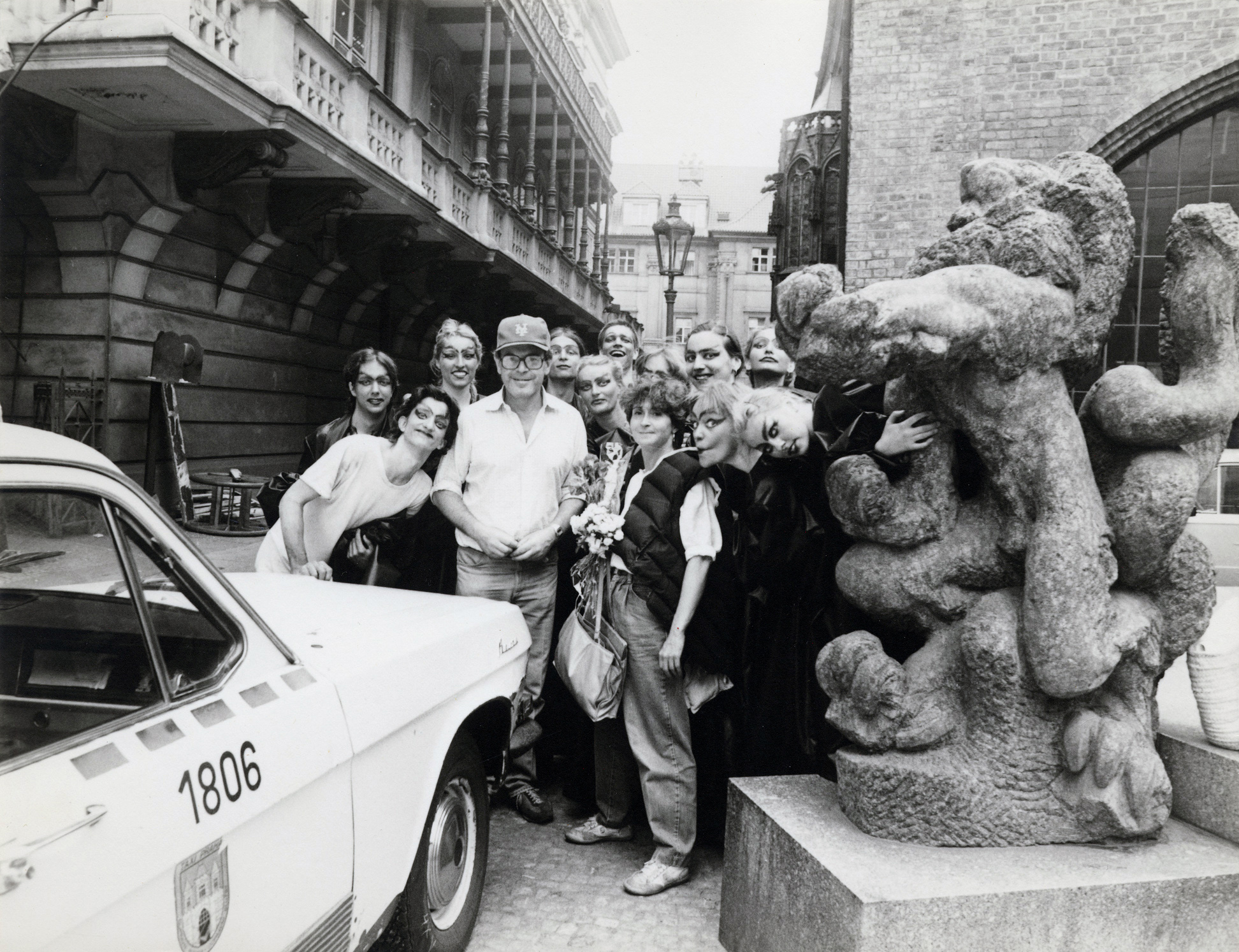
She continuing to mold in film as well, staging dances for the films Ragtime and Amadeus, both directed aside Forman, and White Nights, starring Baryshnikov and St. Gregory of Nazianzen Hines. Her 1984 television production, Baryshnikov by Tharp, North Korean won three Emmy Awards, likewise equally a Manager's Society of America Award for her direction of the special. The following year, she orientated and choreographed a stage production of the classic film musical Singin' in the Rain down. The show enjoyed a solid run on Great White Way and a highly booming national tour.
In the late 1980s, Tharp continued to create ballets at a slightly less agitated gait than before, patc her past kit and boodle became a raw material of ballet companies around the world. In 1991, she reunited her company, Tharp Dance, with Baryshnikov joining the group in a program eligible Stinging Up. The make for enjoyed one of the most successful tours in the history of contemporary dance. Twyla Tharp's autobiography, Push Comes to Shove, was published in 1992. In the same class, she received a MacArthur Society, unrivaled of the so-called "genius grants."
At the time of her 1993 interview with the Honorary society of Accomplishment, she was preparing dances for the motion picture I'll Do Anything, directed away King James L. Brooks. Although the project was originally conceived as a contemporary musical, the studio apartment cut all philharmonic numbers from the film in front its discharge. Returning to the world of pure dance, Tharp created new works at a feverish pace for the rest of the decade. From 1999 to 2003, Tharp Dance toured the public to tremendous pop and life-threatening acclaim.
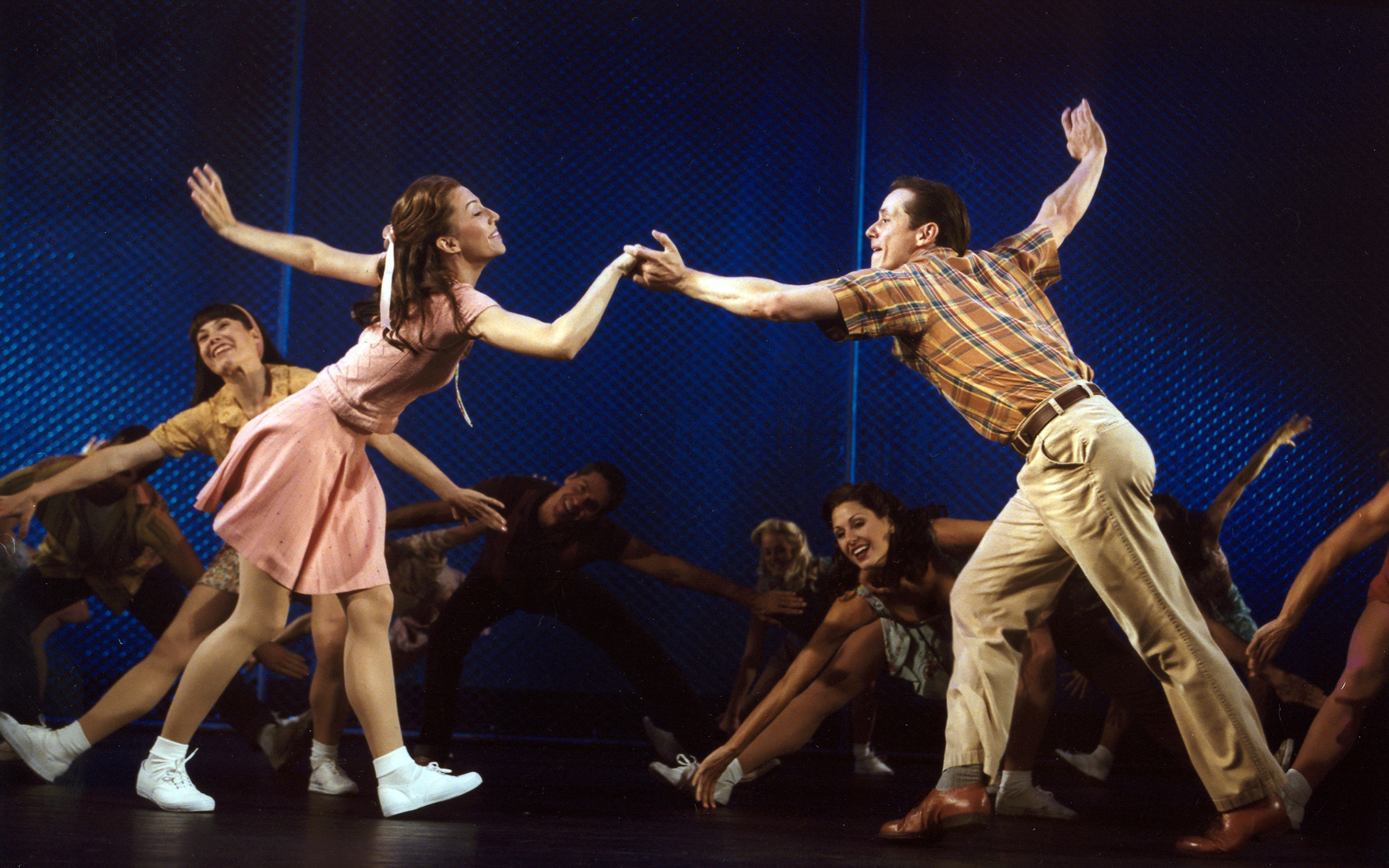
Tharp returned to Broadway in 2002 with an original dance musical, Movin' Out, built around the songs of Billy Joel. The songs were performed aside a singer and pianist, accompanied by a rock ring arranged above the stage, patc a caller of dancers acted out a story of young people living through the tumultuous events of the 1960s and '70s. The show brought Twyla Tharp a host of honors, including the Tony Awarding. Movin' Out became Tharp's well-nig touristy creation to date, running for over three age on Great White Way. A national company toured the Married States for other threesome years and also made stops in Canada and Japan. In 2006, Tharp brought a second "nickelodeon musical" to Broadway, The Multiplication They Are a Changin', supported the songs of Dylan, followed in 2010 by Ejaculate Fly Away, set to songs associated with Frank Sinatra.
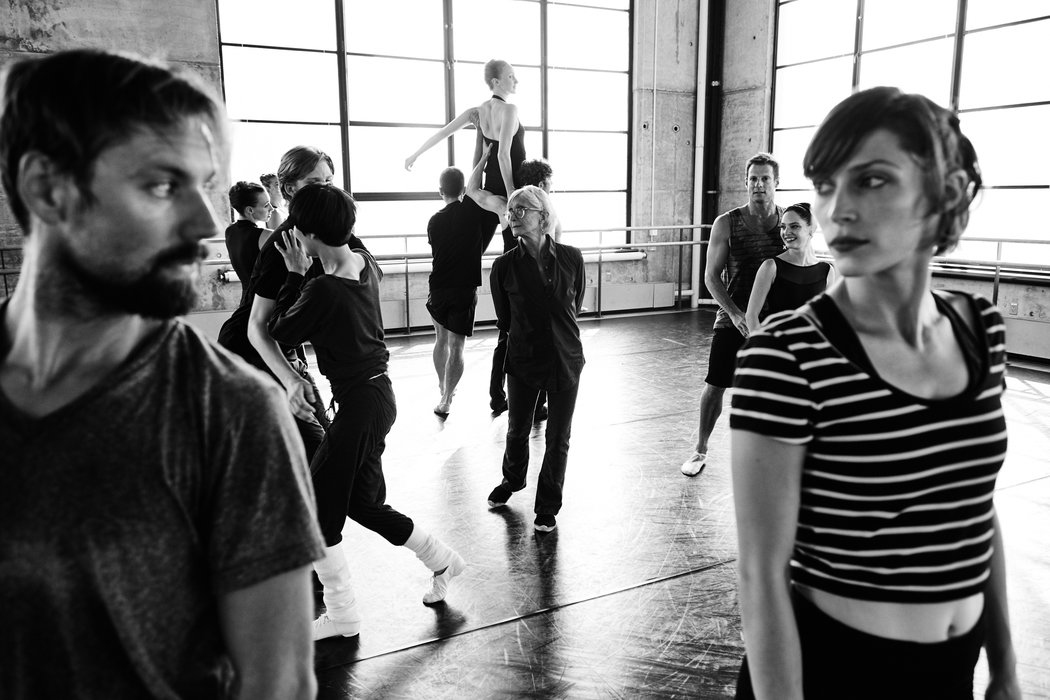
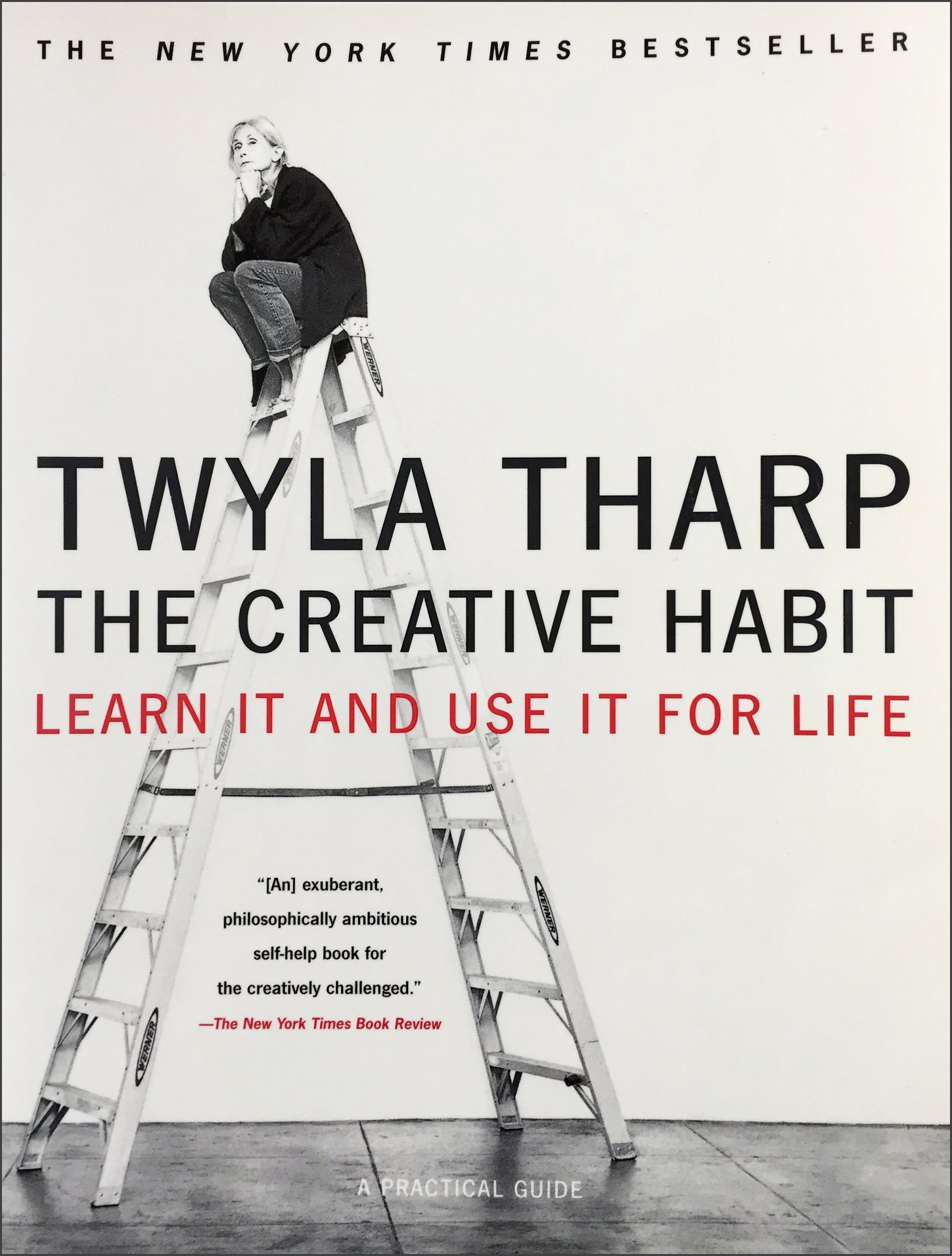
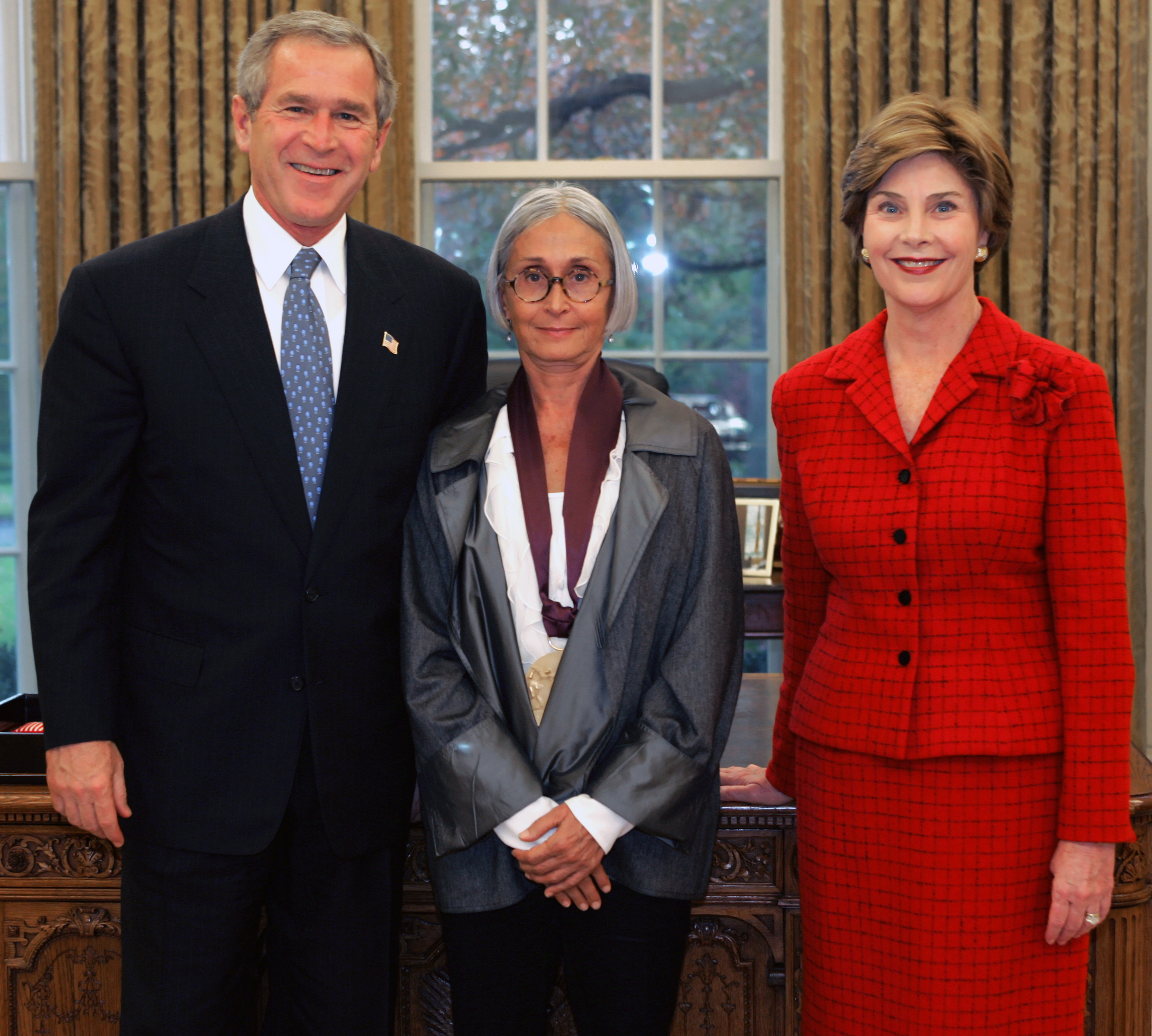
In 2003, Twyla Twyla Tharp published a second book, The Creative Habit: Learn It and Habituate It For Life (2003), in which she shared life lessons from her own career and those of artists throughout the ages. The Cooperative Habit: Life Lessons for Working Together, appeared in 2009. Her lifetime part to her country's culture was acknowledged with the National Medal of Arts, presented by Bush in a 2004 ceremony at the White House. She received the Kennedy Pith Laurels in 2008.
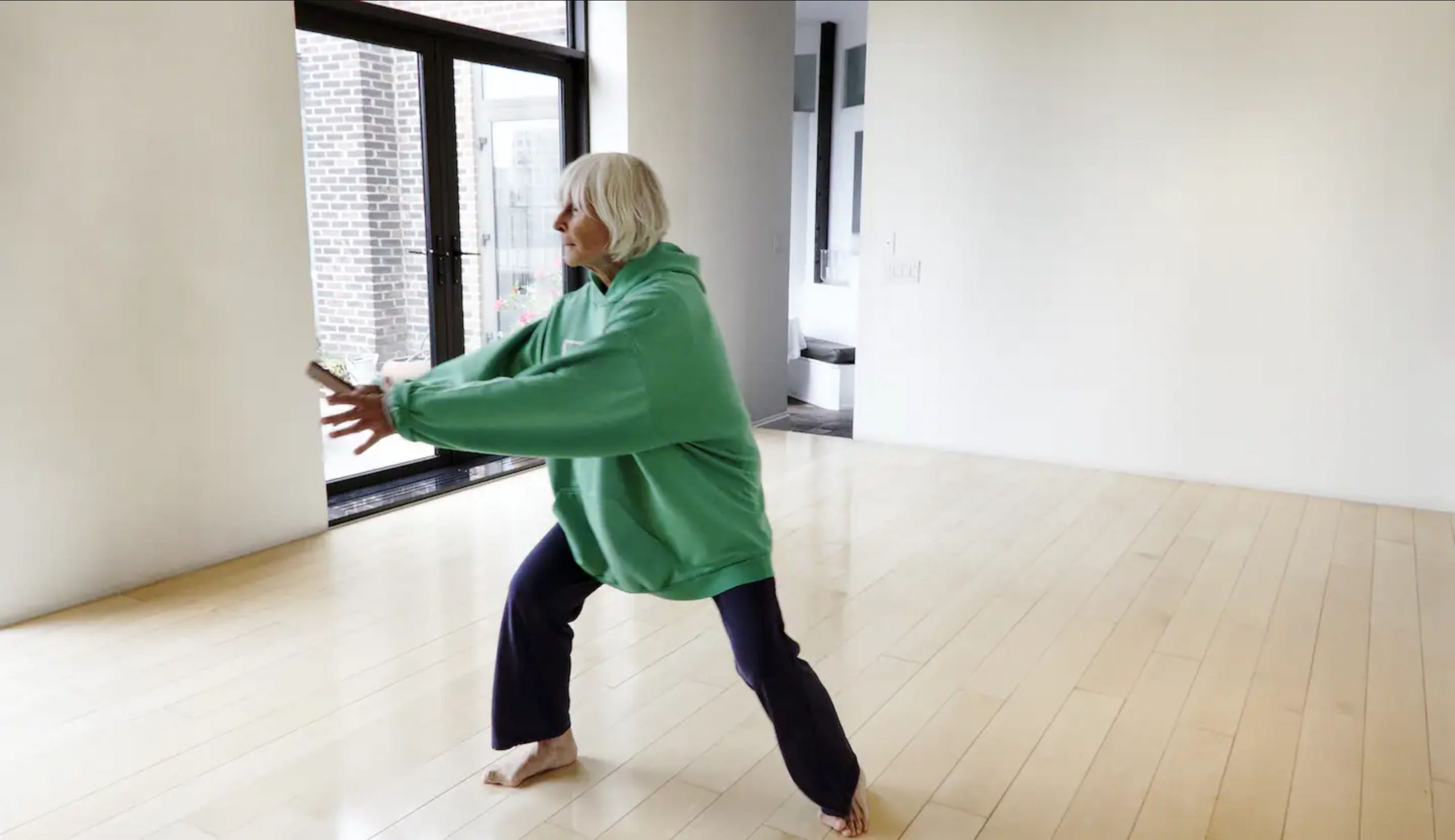
Tharp's prodigious notional energies are out-of-the-way from exhausted. As of this writing, she has choreographed over 160 works, including her work for Broadway, picture and television. Annually, her pieces, such as Johannes Brahms Paganini, Legal brief Toss, Nine Frank Sinatra Songs, Preludes and Fugues, andVan Beethoven Opus 103, are performed by ballet companies around the globe. Her creative vision has had a pervasive influence on the act of younger choreographers and has permanently expanded the boundaries of contemporary dance.
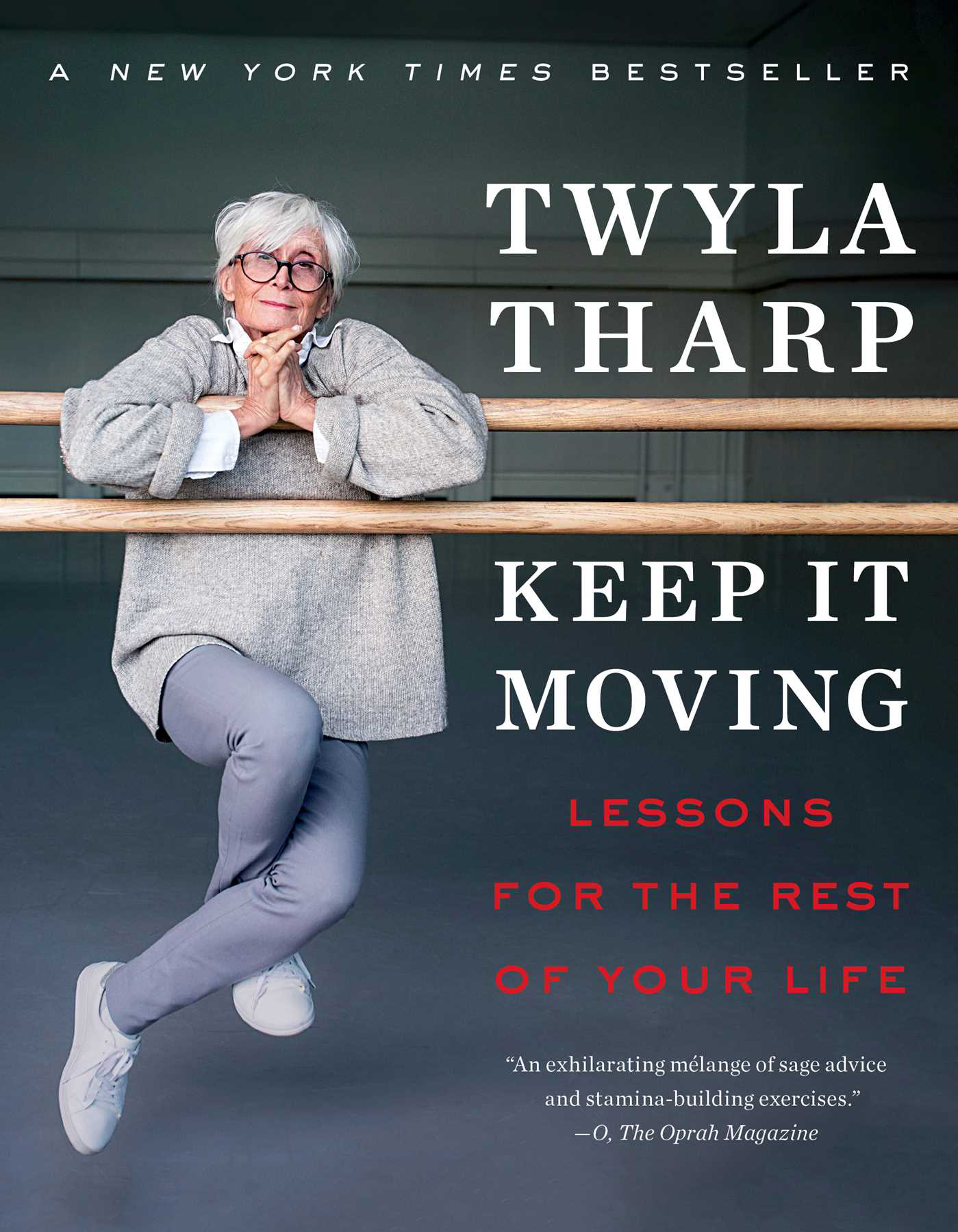
In 2019, Tharp published her fourth account book, Keep It Moving: Lessons for the Rest of Your Living. When the COVD-19 pandemic shut pile live performance and dance rehearsals, Tharp immediately began to explore the use of digital applied science to create dance remotely. Inside a year, she was creating new works online for Ballet am Rhein in Düsseldorf, Germany. In 2021, the public television serial publication American Masters worthy her 80th birthday with a two-hour broadcast, Twyla Moves. In summation to interviews and archival flic, the program shows Tharp employing Whizz along to stage a short version of her piece The Princess and the Goblin.

On November 2021, Red-hot York City Center scarred Tharp's 80th birthday with Twyla Now, an manque broadcast featuring dancers chosen by Twyla Tharp from Alvin Ailey American Trip the light fantastic Theatre of operations, North American country Ballet Theatre (ABT), and Original York City Concert dance.

"I had to become the superior choreographer of my clock. That was my mission, and that's what I set bent on do."
A large consensus of critics, dancers, and dance-loving audiences would tall that Twyla Tharp has succeeded in her mission. No extraordinary making serious dances in this country since the 1960s could ignore the challenge of her imaginative, quirky, complex creations. No critical dance artist has ever stretched the boundaries between classical and popular, solid and silly, accessible and intellectual, as Twyla Tharp has. Even the stunning titles of her works convey their caper, inventive quality: The Bix Pieces, Deuce Coupe, Litigate's Leg, Push Comes to Shove, Cutting Up. When she first began to work with her own small company in the 1960s, Twyla Tharp brought more intelligence, humor, originality and nerve to the making of dances than New York had seen in a long time, and she did information technology at a clock when New York was the unchallenged dance capital of the world.
Twyla Tharp accomplished wholly this in her youth, when her own powerful dancing was incomparable of her company's prime attractions. Over the class of her calling, she has choreographed over 160 whole kit and boodle, from shorter dance deeds to even-length ballets, along with12 television receiver specials, four Broadway shows and six feature article films. Her work has been recognized with honors ranging from Broadway's Tony Award to the National Medal of the Arts.
When did you first have a vision of what you wanted to execute?
Twyla Tharp: IT depends on how you define vision. If it's a sense of the way I enjoyed spending time near was saltation. IT was from the time I was a very small child, when I puttered around the house. I was iv or five years hand-down, I remember already having a regimen. It was the way I always identified myself. If you're speaking of professionally, IT was non until I was aft college, until I had graduated. So, it was much, much later that I made a professional commitment to it because, quite frankly, I didn't think it wise. I was my own interior parental force, and it's very difficult to justify a profession as a dancer… because it's very difficult to earn a bread and butter; because in that location's precise young continuity, and because just when you arrive at the apex of your skills, it's time to retire. And consequently, it seemed like perhaps a not wise investment of a substantial fate of my life. But every bit it turned out, I decided that since it was the thing that I matte I did the best, that I overdue it to every that be to pursue it. That that was what I had to do, whether it meant I was passing to be healthy to earn a living or non.

You felt there was a magnetic force there?
Twyla Tharp: You called IT vision, I call information technology analyzing what my strengths were. It equitable so happened there was no market whatsoever for my durability, unless I was involved in comely a show social dancer, for which I tried, but I'm not tall enough. Also, when I auditioned for the Radio set City Rockettes, they same, "We love yourfouettés, but can't you smile?" And things of that nature transpired between me and a dealings future. Indeed, I managed to find a means of subsisting in the beginning by doing odd jobs, Princess Grace of Monaco Young woman temp piece of work, marketing perfume at Macy's, and some and everything to be able to sustain studying and beginning a vocation with a group of dancers who were happy to devote five years, really, of their lives to me, working precise seriously, with complete commitment, for not a centime. This is not a pleasant route for many young masses to consider, I would imagine. Either you have to be either hopelessly passionate, I conjecture is the Scripture that gets devoted here, or very senseless. No of us were very stupid; we were all college graduates, actually. Only we wholly believed that we could make an impact along something that was very important to us, which was dancing and the future of dancing, and what could cost accomplished. We determined we would do that.
I commence a feeling you worked with your first society almost like a scientist in a laboratory.
Twyla Tharp: This is true.
We intellection that there were certain possibilities, in terms of physical movement, in terms of community, and in price of what dance could address in our beau monde. And those were the issues that we went after. And we worked with a spate of rigor. Which is to say, we were very, very dedicated. We worked six days a week, we worked at least six hours day-to-day. We did not do much the least bit. Information technology was really about the have of encyclopedism and exploring and growing, for five years.
Who were the dancers?
Twyla Tharp: For the first three years there were four, and for the next two years we were sextuplet.
You started with all female dancers. Why was that?
Twyla Tharp: In those years, male dancers, as they are still today, were a rarer cover than women. A good male terpsichorean, a male professional dancer honestly as strong Eastern Samoa we were, was same difficult to come aside if you couldn't give to salary them because there was work that was available for them in all the starring companies. That's what we aforesaid, merely the Sojourner Truth of weigh is, we didn't lack them. Martha Graham likewise began her front keep company as all women. I think IT's because in modern saltation, the female draw has always been a real virile one. Redbrick trip the light fantastic in that commonwealth, anyway, is generally laid at the doorstep of feminine creators: Isadora Duncan, Ruth St. Denis, Martha Graham, Doris Humphrey. The next generation were men, but they spun-dispatch from that generation of women. Erick Hawkins, Merce Cunningham, Paul Deems Taylor, all came from the women because it was a primarily feminine force play. I distinct that we should not, in a agency, pollute the experiment. It's like amalgamated tennis. It's a different game.

Men and women are very different athletes, and frankly, I didn't want to plenty with the male potential, I treasured to deal with the female person potential. Plus which, obviously men and women bond very differently. And at that time we wanted to begin identical simply. We used no costumes, we used nobelium music, we had no more partnering. We wanted fair to explore social movement in time and infinite. And in order to keep that experiment, as you've called it — which I think is accurate — pure, we determined that IT should be sexually oriented only every bit women. Then after pentad years, the starting time man was introduced. And bit away bit I came to be much Thomas More involved in technological matters like partnering and so forth, until it's become fully integrated.
But our partnering, for instance, evolved in an entirely different way than it would have had we had hands from the beginning. Because we had to educate a strength, non only physically, but emotionally, that is very different from how nearly women are when they'rhenium partnered.
Twyla Tharp: I do exercising weight training, and give birth for rather a while, and I'm much stronger than most women. Consequently, when I bring up with work force, or when I'm partnered past men, I can do things no early women rear end do. Just in terms of counterbalances you said it I support myself against him. And we can actually enter upon kinds of movement that seaport't been available before, simply because I've strengthened myself A a womanhood, not because I've thinned him.

Derriere you contribution with us extraordinary of the most exciting moments of your vocation?
Twyla Tharp: With each piece that I've completed I have worked to pull in it intact, and apiece of them has been an equal high. It's like-minded children. A mother refuses to pick out one as a favorite, and I can't exercise whatsoever better with the dances.
I'm sure that as I've made major transitions, the rewards have been different. The rewards of dancing, myself, are same different from choreographing. The rewards of working with dancers you've worked intimately with is selfsame different from dancers that dwell to a company you go into. The rewards of extending your study and incorporating whole new elements. For example, as I begin to taste to address with film and the component of storytelling, and putt a dramatic narrative at the spine of the action, quite than simply snarf metre and space, this is a very immense shift, and I'm for sure the rewards will be different.
But the reward that I felt for doing a piece calledThe Fugue in 1970 will never be surpassed. Because I knew then what an accomplishment IT was and how utmost I had come in order to be able to make counterpoint, which is what that represented. How to link deuce lines in family relationship to one another, so that they were bound, and reinforced one another. You give your own accomplishments, and that's what reward is approximately. It's not about honors, it's not about celebrity, it's sure not about money.

Was there someone World Health Organization gave you a big break in your vocation?
Twyla Tharp: Yes. I would enunciat that for the introductory five years I pretty a good deal seized things. But Bob Joffrey power saw a piece of mine namedThe Bix Pieces at the Delacorte around 1971. From that piece, he had the breadth of vision to see that what I was doing could be translated to what his dancers understood. I already knew this, because I had been perusing classical ballet for a long time. But a draw of people insisted on a wall between progressive dance and ballet, that the two disciplines were totally class, and if you did one, you couldn't do the other. I'm root to think that walls are very unhealthy things. Shilling saw that what I did had a very strong music base to information technology, and he asked me to make a piece for his company. That took a real leap of religious belief on his part. This is what is ordinarily called a break, because it certainly is what introduced Pine Tree State into the commercial world. From there I made another piece for the Joffrey calledAs Clip Goes Aside. After that I didCrusade Comes to Shove for American Ballet Theatre with Mikhail Baryshnikov. Miloš Forman saw that opus and asked me if I would do the picture ofHair.FromPilus I was able to begin working in pictures and to extend my life history into television. Nowadays I am very fortunate because I am in a position where I need to expatiate the definition of campaign some beyond the parameters of what can be accomplished in dancing, per se.

Did you have any approximation thatDeuce Coupewould personify the arrive at that IT was?
Twyla Tharp: There are ideas, and so at that place are ideas. The piece was not without a certain come of calculation. That's the first piece I did for the Joffrey. I went for a season to take in the Joffrey Company and the Joffrey audience, in front I made the small-arm. It was precise distinctly tailored for both the audience and for the companion. On the other hand, it is extremely arrogant and very sappy to think that you can ever outwit your audience. And all you prat do is urinate your sincerest stab at saying, "Hey, I mean you could understand what I'm hard to suppose if I order information technology this way. I think I know you well enough that this is how I need to say it for you." I don't consider that merchandising out. I consider that going midway to meet a somebody, and I view that to represent what communication theory is entirely about.Deuce Coupewas very successful in that regard. As far arsenic observance, I was in it. So I was too busy hopping just about backstage to have any sense about what it was doing to the interview in the lead. I was having also practically fun.

You also elevated dad music, using the Beach Boys' songs in that piece.
Twyla Tharp: Again, I'm not one World Health Organization divides music, dance or art into diverse categories. Either something works, or it doesn't. I don't ungenerous this, but I'm going to say it anyhow: I don't really think of Pop Art and grievous art as being that far apart. That is a whole Lie. I think of them as being completely different, and I put on't imagine of them as being that far apart. This is one of the things that we have to accept about art is that it's full of paradoxes and contradictions, and they're equally truthful, both sides.

Since your early great work with female dancers, you've worked with some notable male dancers, like Baryshnikov.
Twyla Tharp: Mischa is a important dancer.
It's also, I think going to be true that the 20th century is the region in the classical ballet of the classical male dancer in a way that it never was before. IT was always about the ballerina. Component part of that is because the choreographers were forever workforce. Consequently, they shaped the roles for women as they wished them to be. When I started choreographing for classical ballet companies there had been, before me, two women who had ever made a ballet on a authoritative fellowship. So, of course, I'm interested in the male dancer. Plus which, not only Mischa (Baryshnikov), but Rudi (Rudolf Nureyev) was a virtuoso, and (Edward) Villella. At that place are these days, young manpower dancing who have a major power and potency that we respond to because of athletic competition. We'ray pot-trained, unfortunately, and indoctrinated in the facts that the male physicality can be marketed in a way the distaff cannot. Consequently, you have the multimillion-dollar athletes in the male world, and practically no in the female. This has had an impact in the terpsichore world. The stars there in the classical existence these days are men. I was fortunate to love men, so I could put them on leg and arrive at roles for them, and motility through their bodies in a way that they enjoy doing that they responded to, as the ballerinas have to male choreographers for centuries.

what do uchida and momaday feel toward their families
Source: https://achievement.org/achiever/twyla-tharp/

Posting Komentar